School professional development below is delivered by Camino Academy LLC under contract — not university field placements. Coordinators seeking student placements should use the University Partnerships page.
Who this is for
Camino Academy LLC scopes school PD for middle and high school teams — not elementary-only add-ons. Primary partners: ELL program directors, coordinators, AP or PD leads when you have no dedicated bilingual ELL FTE, plus principals and curriculum directors accountable for Title III planning.
- Growing English Language Learner (ELL) enrollment at grades 6–12 with thin secondary ELL staffing
- ESSA Title III funds in play — you need documented, ELL-specific professional development
- Tiered ELL services rolling out without enough bilingual coach bandwidth for walk-throughs
Why schools choose Camino Academy
Most secondary schools do not lack professional development hours. They lack a bilingual, culturally matched practitioner who has built a PLC, scaled a language-access program from one student to 200+, and designs PD your team can run Monday — not a generic vendor deck in English only.
- Vertical + horizontal PLC leadership — WIDA-aligned bilingual curriculum coherence across grades 6–12
- PD facilitation adults can use Monday — sentence frames, retrieval, transfer tasks coaches see in walk-throughs
- Certified to teach English Language Learners (ELL) in Maryland and Texas · trauma-informed and restorative-practices training for adult facilitation
Title III professional development (ESSA)
Local educational agencies that receive Title III, Part A funds must provide effective professional development to educators who work with English Language Learners (ELLs) — including general education teachers, principals, school leaders, and administrators. Federal guidance describes PD that is part of a long-term, comprehensive plan with sufficient intensity and duration, building capacity in curriculum, assessment, and instructional strategies for ELLs.
A scoped 2-hour bilingual workshop or half-day with take-home protocols supports documented ELL-specific PD in your Title III plan — especially when no bilingual ELL specialist is on staff at the secondary level. Camino does not guarantee compliance outcomes; scope and deliverables are defined in writing after your SIP and Title III priorities are reviewed.
Reference: U.S. Department of Education, Non-Regulatory Guidance: English Learners and Title III of the ESEA, as amended by ESSA (January 2019). Confirm allowable uses with your state Title III coordinator.
What secondary ELL leaders are solving
Camino scopes PD and curriculum work against the pressures Title III and high-ML secondary schools report most often — then maps deliverables to The CAMINO Way™, WIDA Can Do, CCSS literacy, and your SIP.
Thin or no ELL staffing at secondary
One bilingual specialist stretched across grades 6–12, or none at all — while gen-ed teachers carry language access in every content block.
SIP belonging goals vs. ML students feeling like outsiders
Your improvement plan names inclusion; multilingual ninth-graders still report higher outsider rates (27.2% Spanish-home-language vs. 20.0% overall, NCES HS&B:22, 2022).
Content and language objectives that do not transfer
Objectives posted on the board — but Monday’s lesson still lacks sentence frames, retrieval, or a transfer task coaches can see in walk-throughs.
Sheltered vs. direct instruction for ELLs
Teams need a balanced approach: sheltered and integrated moves in content classes plus direct ELL blocks when your master schedule requires them.
Cross-curricular literacy gap
Reading and discourse expectations differ by department — ELLs meet inconsistent academic language instead of one coordinated secondary literacy spine.
Title III compliance without a bilingual PD lead
Federal PD requirements need documented, ELL-specific facilitation — not English-only vendor theater when no bilingual ELL FTE is on staff.
2-hour bilingual workshop
A live 2-hour workshop (Zoom/Teams default) for grades 6–12 so your secondary team leaves with one protocol to run next week — not slide-deck theater. Scoped for Title III / high–English Language Learner (ELL) schools — especially when your ELL program is implementing tiered services without enough bilingual specialist capacity.
$800 – $1,500
Written quote after a 20-minute scoping call. Virtual by default; in-person available — travel quoted separately.
Suggested subject line (paste in your email): Secondary ELL workshop inquiry - [School name]
School PD pricing
Written quote after scoping — fees below are typical ranges for secondary ELL professional development under Camino Academy LLC. Engagements over $1,500 include a written scope of work aligned to your SIP and Title III priorities.
| Tier | Scope | Fee (USD) | Availability |
|---|---|---|---|
| Entry | 2-hour live bilingual workshop · one school · one Monday-ready protocol | $800 – $1,500 | Now — start here |
| Standard | Half-day (~4 hr) + participant resources | $2,000 – $3,500 | After first school workshop |
| Project | 3–5 sessions · artifact pack · semester PLC support | $4,500 – $8,000 | Typically month 6+ |
| District | Multi-school series · lead coaching · Title III alignment | $12,000 – $25,000 | Year 2 · after documented outcomes |
| Per diem | Full day on site · travel and lodging quoted separately | $1,000/day + expenses | In-person · DC, MD, VA |
Virtual delivery (Zoom/Teams) is the default. In-person workshops are available when scope allows.
Suggested subject line (paste in your email): Secondary ELL workshop inquiry - [School name]
The CAMINO Way™ — methodology & standards
Every engagement is built on The CAMINO Way™ — Camino Academy’s six-stage framework for multilingual learners: Connect, Assess, Model, Immerse, Navigate, and Own. PD and curriculum design follow that spine so teams share one language from intake through transfer.
- WIDA framework: activities and professional development aligned to WIDA standards for English language development and the Can Do Descriptors — proficiency bands, language functions, and domain expectations your secondary team already reports on.
- Secondary content standards: where appropriate for grades 6–12, curriculum and PD tie to Common Core State Standards for English language arts and literacy in history/social studies, science, and technical subjects — so language development supports grade-level content, not a parallel track.
- Tailored scope: individual schools and districts receive a custom plan — cohort size, calendar, walk-through focus, and deliverables — not a one-size-fits-all vendor package.
Aligned to your School Improvement Plan
Scoping starts with your School Improvement Plan (SIP) priorities. When belonging or inclusion is on the plan, we design secondary PD and classroom moves that make English Language Learners (ELLs) visible in content classes — not only in a pull-out block.
Research consistently shows belonging gaps for multilingual adolescents. In fall 2022, 27.2% of ninth-graders whose native language is Spanish agreed they felt like an outsider at school — compared with 20.0% of ninth-graders overall (U.S. Department of Education, NCES, HS&B:22; Digest of Education Statistics 2023, Table 230.82). Peer-reviewed work on 10th-grade English learners also finds lower positive perceptions of school climate than fluent English-speaking classmates (Yough et al., Learning Environments Research, 2024).
Sources: NCES Table 230.82 · Yough et al. (2024)
Instructional design — what teachers practice
Secondary teams need a balanced approach: sheltered and integrated practice in content classrooms and direct instruction tailored to English Language Learners (ELLs) — explicit language targets, feedback cycles, and transfer tasks your WIDA data can track.
- Project-based learning (PBL): authentic products with language scaffolds, peer roles, and formative checkpoints aligned to Can Do bands.
- Integrated cross-curricular learning: coordinated reading, writing, and discourse moves across departments so ELLs encounter consistent academic language — not isolated strategies in one period.
- Sheltered + direct instruction: graphic organizers, sentence frames, and discourse protocols in content classes paired with targeted ELL blocks for phonology, morphology, and academic vocabulary when your program design calls for it.
School professional development
Professional development for secondary school teams (grades 6–12) — practical blocks for ELL program directors, coordinators, AP/PD leads, and principals who need moves teachers can use the following week.
- Secondary ELL instruction: WIDA-aligned academic language, scaffolds, formative checks, and program coherence — for middle and high school classrooms, not elementary add-ons.
- ELL program leadership support: tiered-service implementation, coach bandwidth, and walk-through-ready protocols when you have limited bilingual specialist FTE.
- Trauma-informed facilitation for adults: predictable pacing, plain language, and classroom-safe moves — not buzzwords layered on top of a slide deck.
- Online by default (Zoom/Teams) with bilingual participant materials when your team needs them. In-person available when scope allows — travel quoted separately after dates and location are confirmed.
How pricing works: PD is scoped to your calendar, cohort size, SIP priorities, and deliverables. You receive a written quote for the agreed scope — not a menu price pulled from thin air.
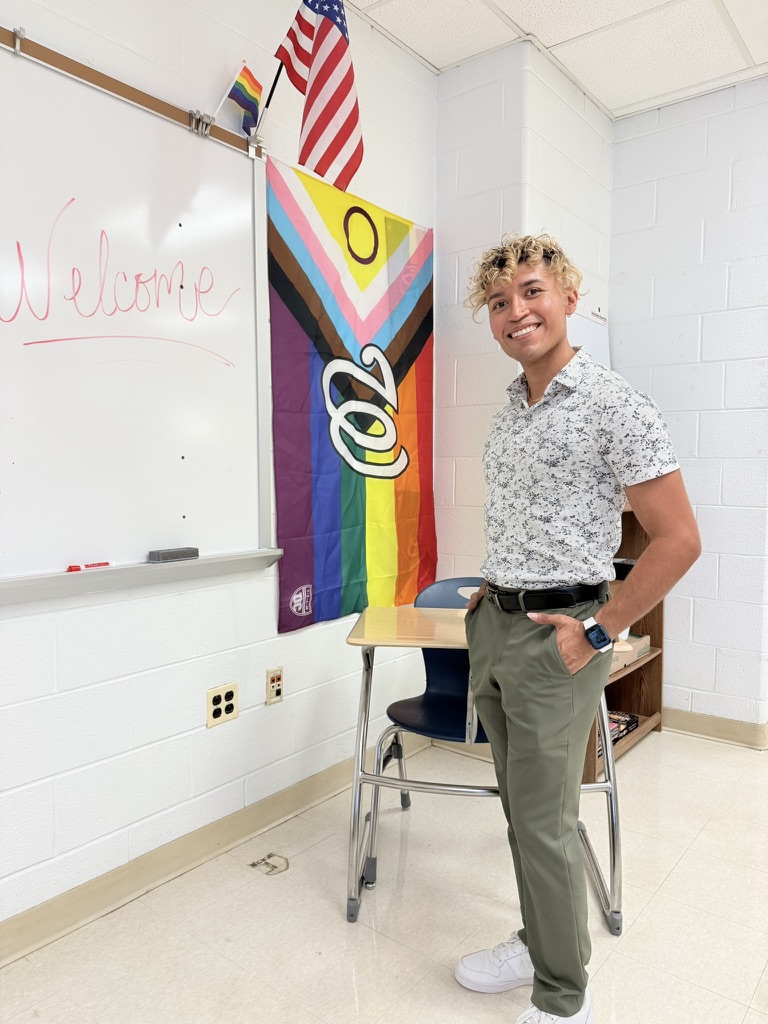
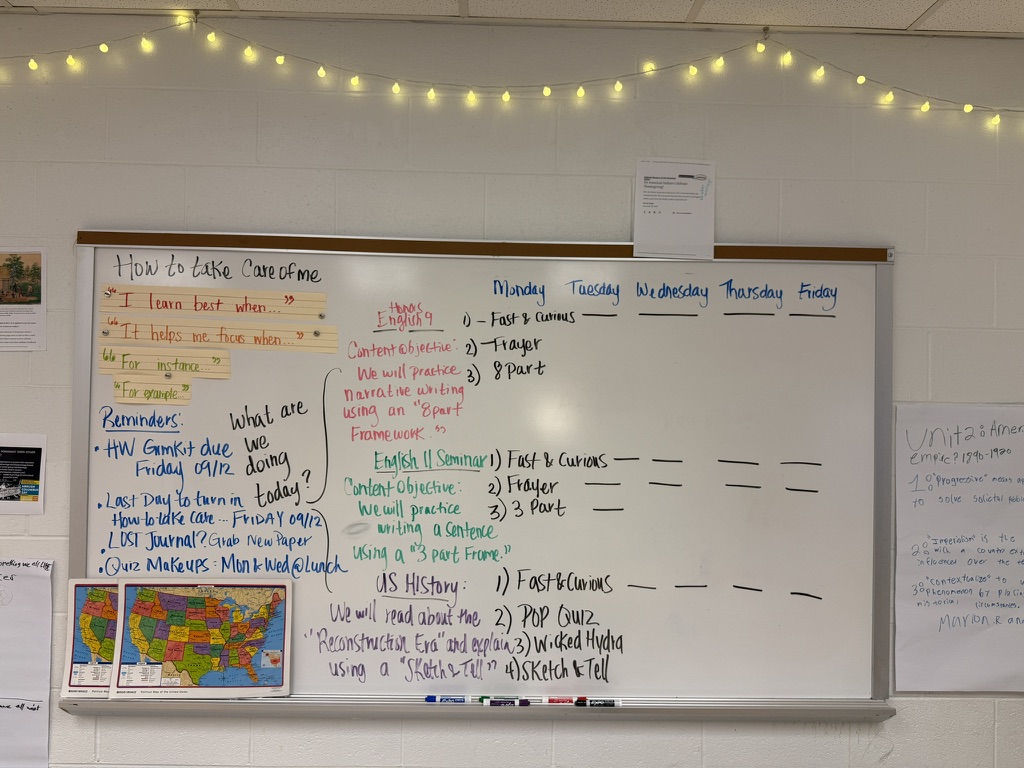
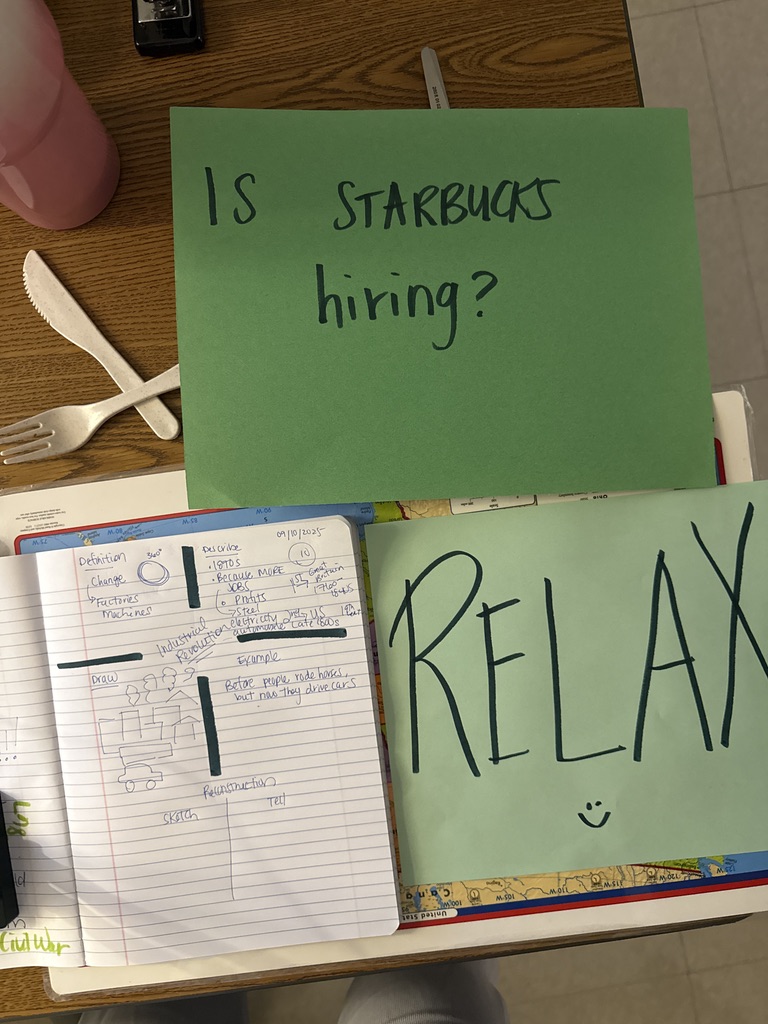
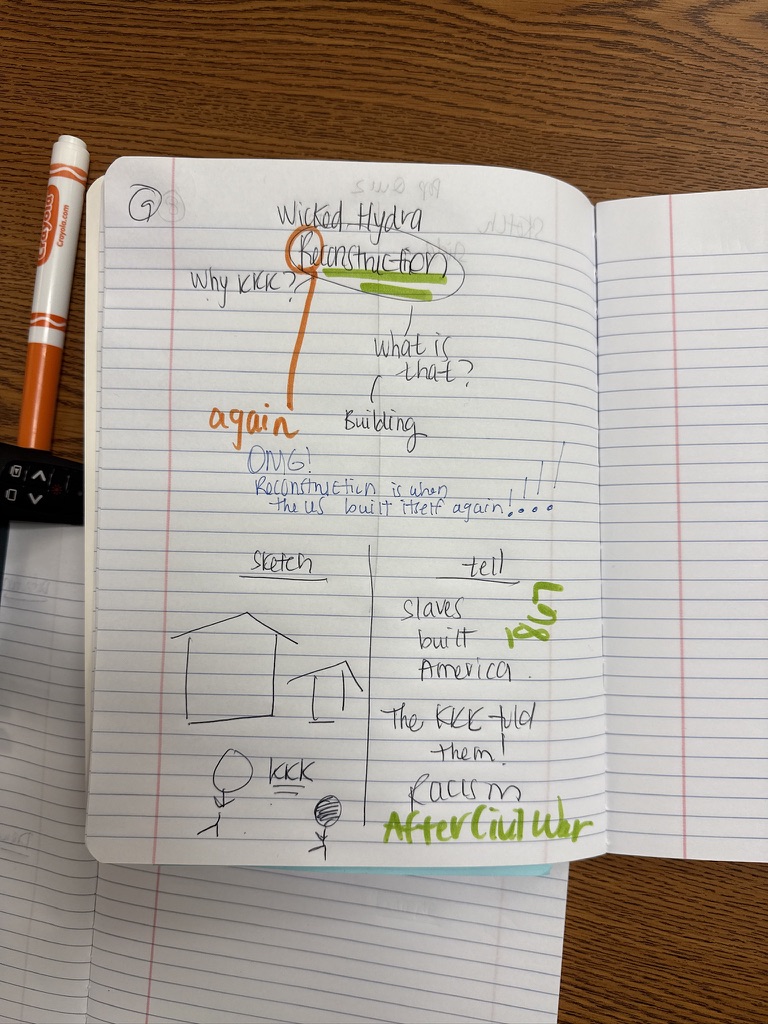
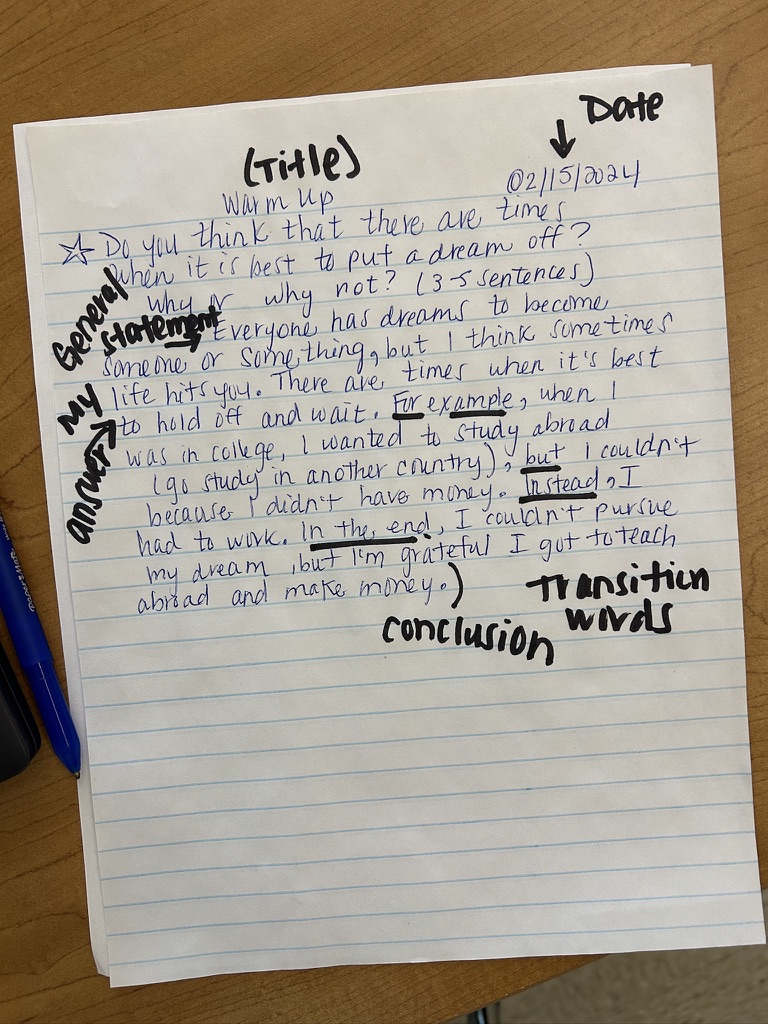
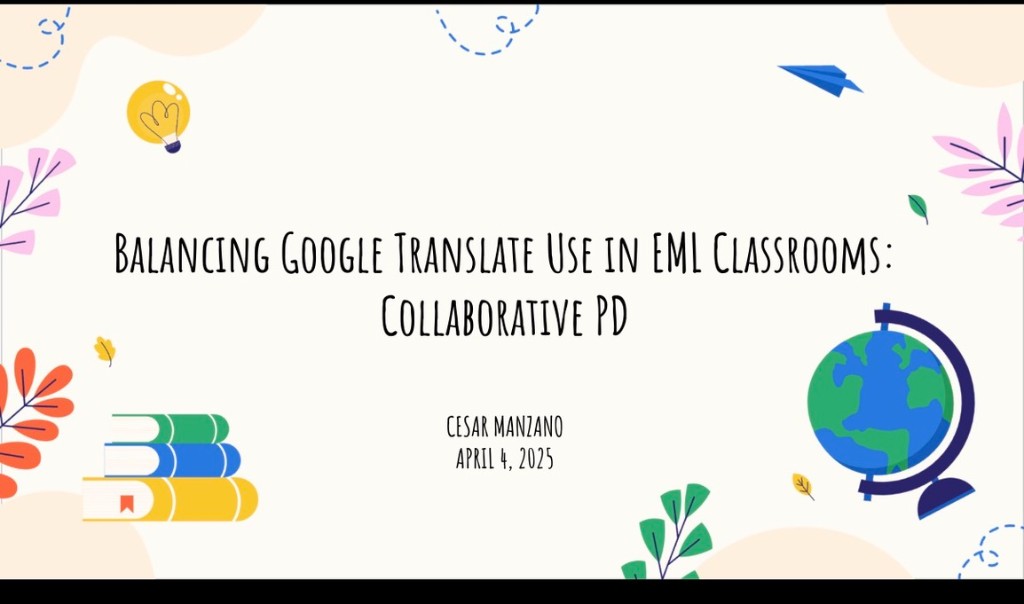
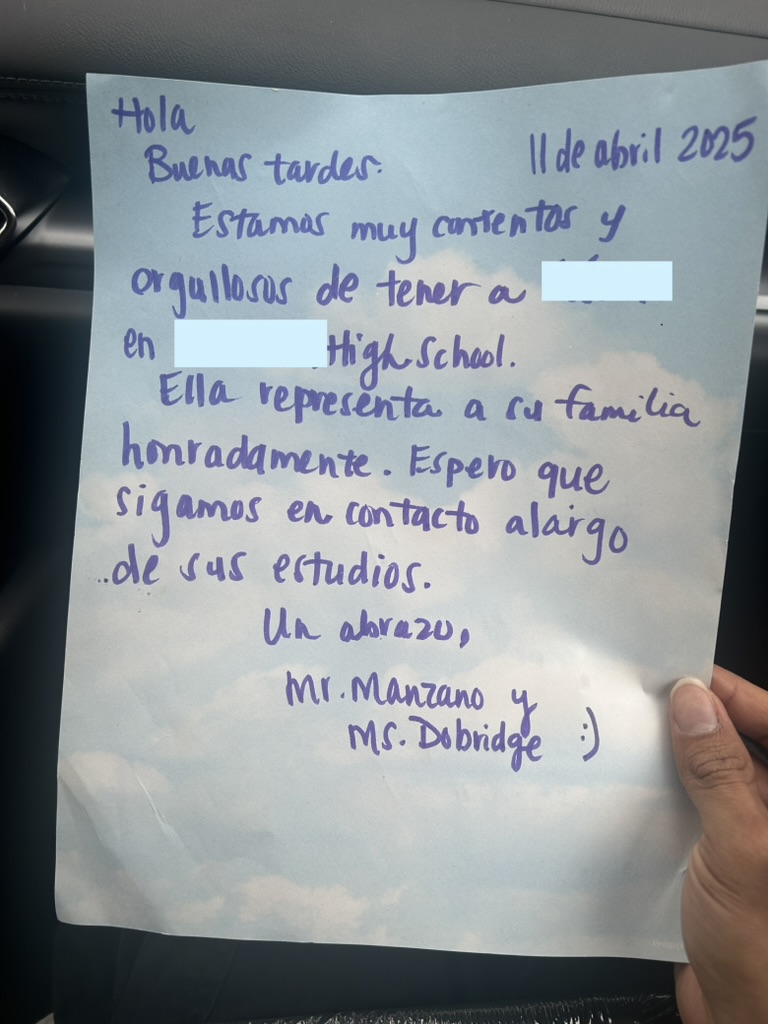
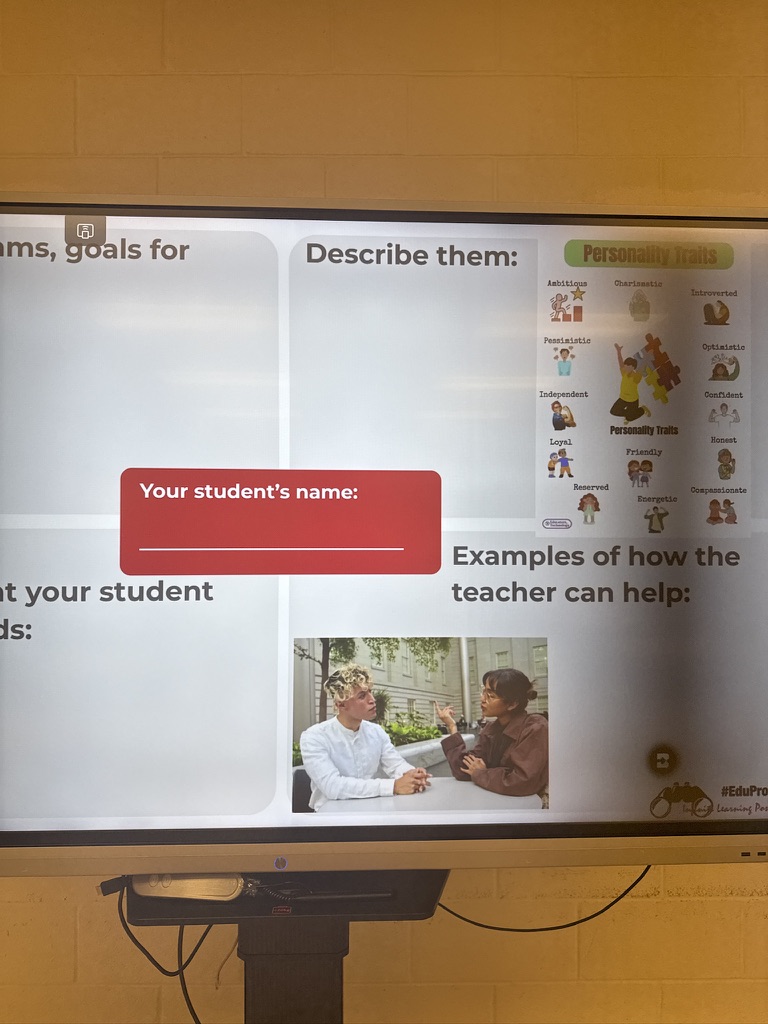
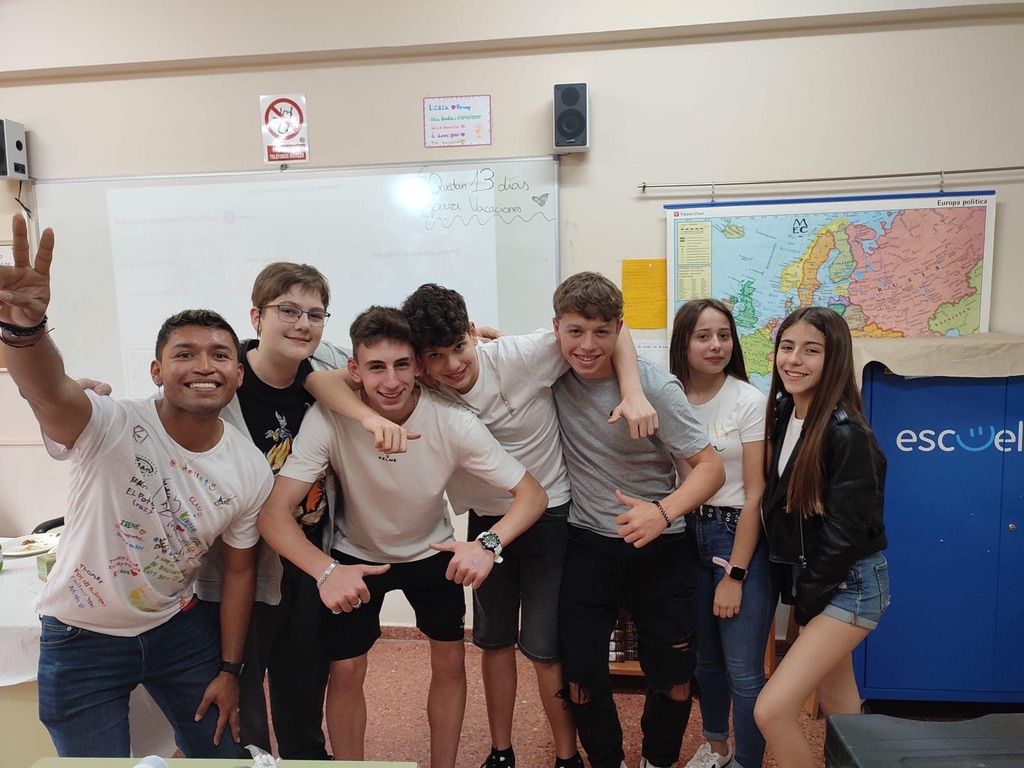
Classroom evidence — secondary grades 6–12
Representative practice — student names and school identifiers redacted where shown. Not a district endorsement.
Sample Proposal
Procurement teams often want a representative proposal before a discovery call. Browse the SAMPLE Curriculum Proposal gallery (classroom photos, EduProtocols frameworks, research citations) or email for a redacted scope matched to your sector.
Or use the contact form on caminoacademy.netSuggested subject line (paste in your email): Sample curriculum proposal request
Founder & Credentials

Julio César Manzano — Fulbright Scholar; MBA (Abilene Christian University); certified to teach English Language Learners (ELL) in Maryland and Texas; University of Texas Rio Grande Valley (English / Spanish). A verification packet for procurement and compliance is available on request.

Secondary grades 6–12 — bilingual professional development, WIDA-aligned curriculum design, and job-embedded protocols your team can use the following week.
Community & Colleagues
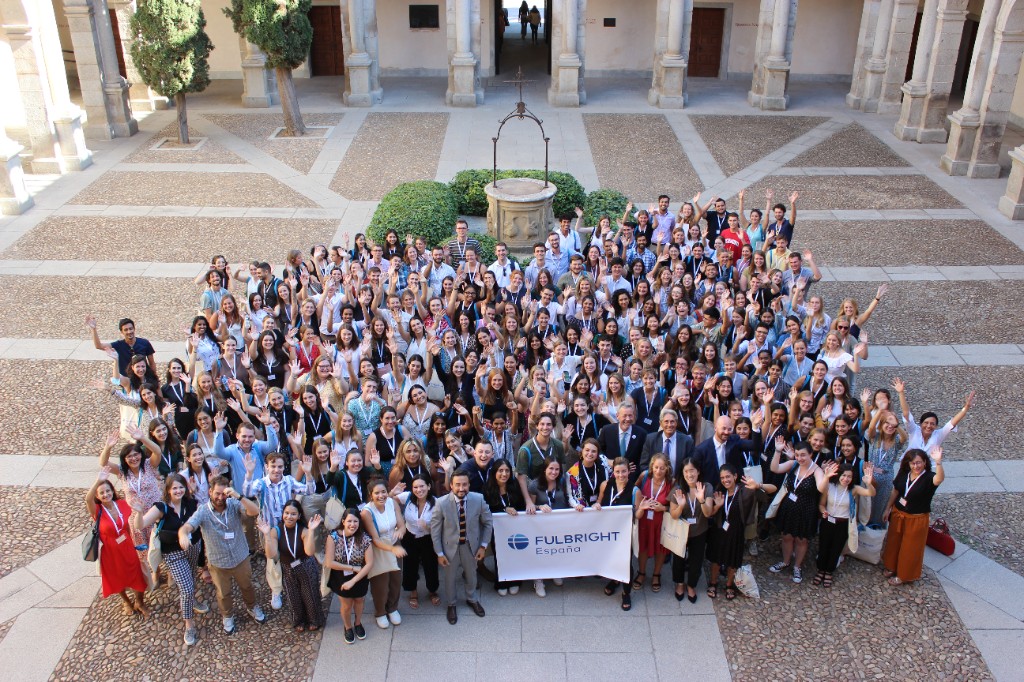
Fulbright España — cohort work at the intersection of language, mobility, and public diplomacy.
On Instagram
Send inquiry
Email is fastest. Use the rust Email cesar@caminoacademy.net button, Open in Gmail, or Copy email address — or the contact form link below.
Suggested subject line (paste in your email): Consulting inquiry